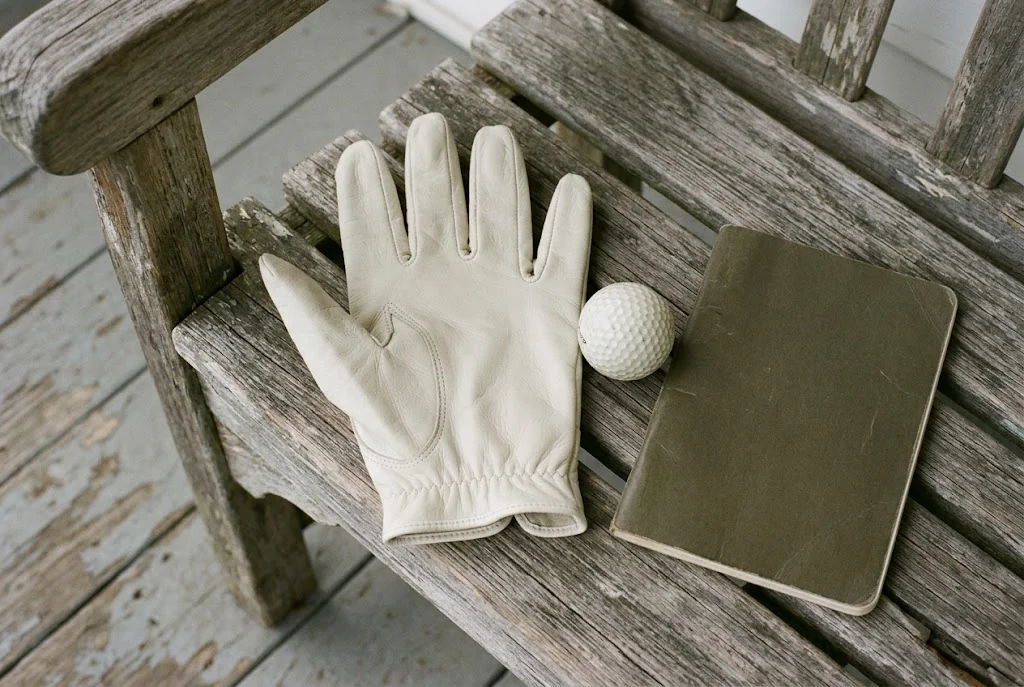
A glove trial is more informative when a brand separates practice swings from course use and records the same construction details each time. The next sample should answer a specific question raised by that comparison.
Choose two observation settings
National Golf Resort describes academy practice in the Danė River valley and lists its academy location in the Klaipėda region. A buyer developing a Lithuanian range can use that practice-to-course distinction when planning a local trial. The setting is an example of the type of facility to look for, and any test needs agreement with its own venue. National Golf Resort Academy and academy location information.
Begin with a controlled practice session in which the wearer can remove and inspect the glove between sets. A later round shows what happened during a different pattern of use. Record the session conditions rather than assuming every golfer or course presents the same challenge.
Assign a question to each sample
Use an identified pair of samples that differ in one important feature, such as closure shape. Keep the wearer, wearing hand and intended fit comparable where practical. Give each glove a reference and record its starting condition. Then ask each wearer to describe the position and circumstances of a concern.
A fictional trial might find that one tab is easy to open at the range but catches the cuff of a layer on the course. That observation suggests reviewing the tab and cuff together. It does not establish a performance difference between two unrelated materials. The closure review guide helps translate that note into a specific change request.
Keep conditions and results separate
Log whether the glove started dry, whether the wearer changed gloves and whether there was visible moisture or debris. Note the location of a fold or mark before making an inference about the cause. Save an overall photograph and a close view with the sample identity.
Use the same prompts after each session: what felt different, when it became noticeable, whether it persisted after refastening and what the wearer would change. Short trial observations can guide a development decision. Published performance claims need evidence suited to the specific claim.
Order the next decision before ordering stock
Decide how the test will change the buying decision. If the same construction concern recurs with a correctly fitted glove in both settings, ask the manufacturer to examine that identified part. If it appears only after a specific layer or grip change, repeat the comparison under the same conditions. If it follows one size while other sizes are comfortable, review the cut before changing every closure. A short trial is valuable when the buyer can describe which alternative to sample next and which approved properties should be retained.
Summarise the result in one request: retain the approved palm feel and size, review the named closure edge, and return an identifiable revision. Follow the wear trial plan for the wider record and the revision guide for the handoff. Discuss a sampling programme with Texpak using the intended audience, actual use settings and question your next glove must answer.
Related guide for Lithuania · Private Label Gloves for Lithuanian Golf Resort Lesson Packs