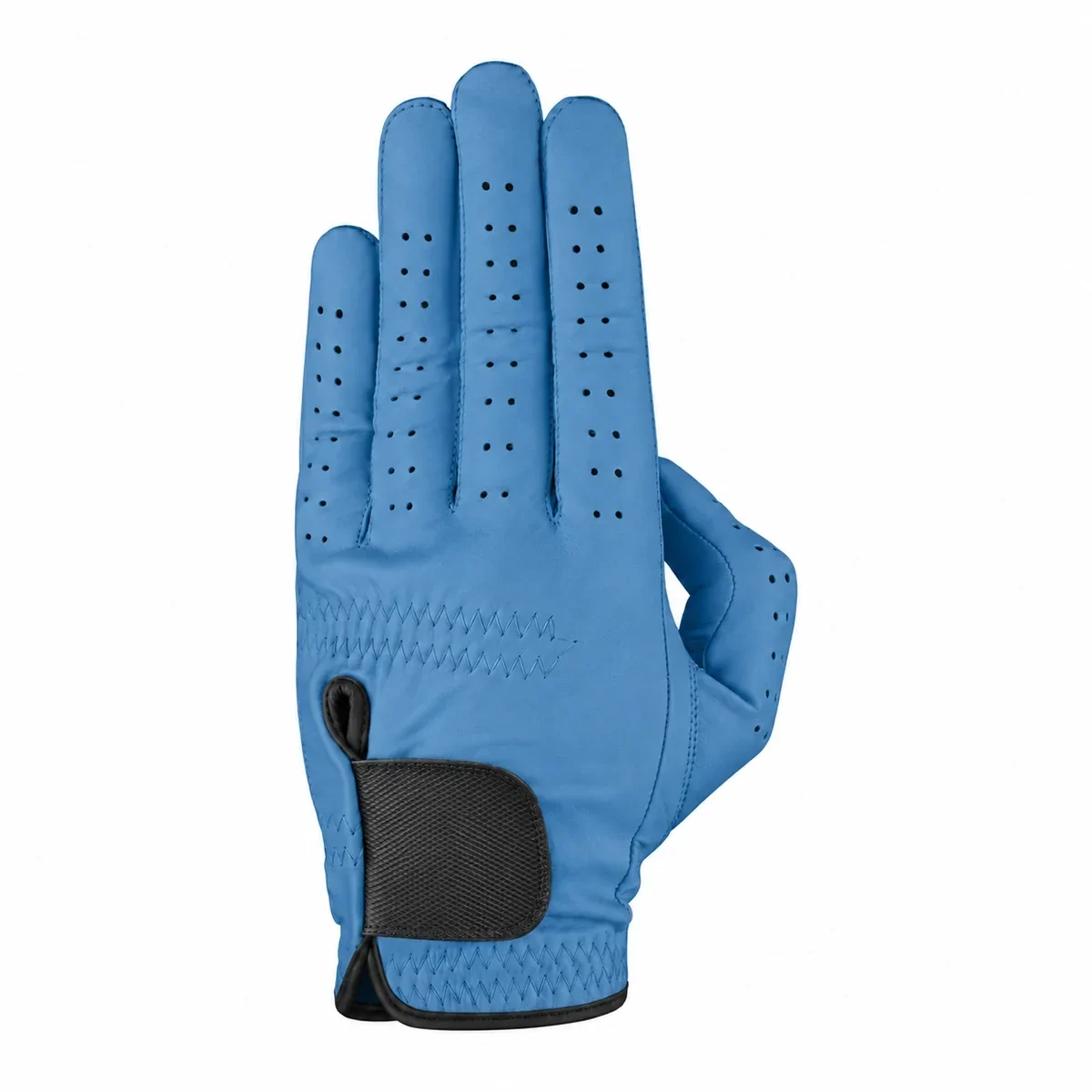
A golf glove variant needs an identity that connects the product description, buyer order, package and stock record. Start with a clear internal SKU for each orderable version, then confirm any GTIN and barcode requirements with the retailer or fulfilment partner. Size, colour and wearing hand are separate decisions; one style photograph does not identify them all.
Separate the SKU, GTIN and barcode
An SKU is the internal stock-keeping code your business uses to identify an item. A GTIN is a standard product identifier used across trading partners. A barcode is a machine-readable representation of information, which may include a GTIN. They are related tools with different roles.
GS1's identifier guidance explains the GTIN formats commonly described as UPC or EAN. Confirm the required format with your actual partner rather than choosing a symbol from a picture and assuming its appearance is sufficient.
You can establish an internal variant register before a retailer asks for a particular barcode. Keep separate fields for the internal code and the external identifier. That prevents a later change of stock software from destroying the link to an established product record.
Define what makes one glove different from another
List the attributes a buyer actually selects: style, construction where relevant, colour, fit cut, size, wearing hand and supplied unit. If two order lines would cause a picker to take different items from stock, they need to remain distinguishable.
GS1 states that different product size and colour combinations need separate GTINs within its identification system. Apply the relevant allocation rules to your own range, including the distinction between different wearing-hand products. Do not reuse one identifier for items that trading partners must order separately.
A single glove and a two-glove retail set also need a clear unit description. Ask how the retail item and any outer packs should be identified. A number printed on a carton should not leave the receiving team guessing whether it identifies one glove, one set or the case itself.
Build a readable internal-code system
The example below uses fictional internal SKUs. The letters are an original planning example, not GS1 identifiers, Texpak stock codes or an offered product range. No invented barcode numbers are supplied.
| Example SKU | Variant | Unit |
|---|---|---|
| A-WHT-REG-M-LH | Style A, white, regular M, worn on left hand | One glove |
| A-WHT-REG-M-RH | Style A, white, regular M, worn on right hand | One glove |
| A-WHT-REG-L-LH | Style A, white, regular L, worn on left hand | One glove |
| A-BLU-REG-M-LH | Style A, blue, regular M, worn on left hand | One glove |
The code helps the team recognise a variant, but keep a plain-language description beside it. “LH” must mean the hand wearing the glove in this example, not a golfer's playing side. New staff and external partners should not have to reverse-engineer abbreviations.
Agree how new styles and colours will be named before creating codes. Avoid a structure that becomes ambiguous when the range grows, and do not change an established item's identity merely to make its code look more attractive.
Keep a single current variant register
Use one controlled list connecting each SKU to the approved sample or specification, full product description, external identifier where applicable, pack configuration and current artwork reference. Keep inventory quantities in the system your team actually uses, rather than maintaining several contradictory spreadsheets.
A useful register also identifies which image belongs to each variant. A retailer selecting the blue glove should not receive a file still showing the white version or an earlier closure. Our photography shot list and product-page checklist cover that customer-facing information.
When storing external identifiers, preserve their full digit strings, including any leading zero. Check that an export or spreadsheet has not reformatted them into a different value. Keep the human-readable record and the printed symbol linked to the same approved item.
Check the actual label and receiving process
Give the packaging team the partner's requirements before artwork approval. Confirm who supplies identifiers, who prepares the symbol, where it belongs and how the final printed label will be checked. Do not assume these services are included in a manufacturer's general packaging offer.
Read the package at its actual size with the intended glove inside. Match the style, fit cut, size and worn hand to the variant register, then have the relevant partner verify the barcode under its receiving or retail process. A visually plausible symbol is not a scan-quality result.
Our packaging guide covers the broader presentation brief. Texpak can discuss customised packaging, but barcode licensing, verification services and fulfilment requirements need specific agreement. This article does not announce a new scanning or fulfilment service.
Use the same identities in wholesale and production records
A wholesale sheet should allow a buyer to specify the exact variant and number of selling units. Carry that information into the accepted order, then reconcile it with the manufacturer's specification and quantity breakdown.
Keep product identification separate from the assortment decision. A clear SKU tells you which glove a line means; it does not tell you how many of that size to buy. Our first-assortment guide covers quantity planning, while the line-sheet guide covers the buying document.
Before production or dispatch, compare the order total with the sum of its variant lines. Resolve discrepancies in the shared record rather than leaving an explanation in an unrelated message.
Review identifiers when the product changes
Distinguish a corrected typing error from a real product change. If materials, packaging quantity or another important characteristic changes, check the applicable GTIN allocation rules and partner requirements. Do not quietly reuse an old identifier for a different item because the colours happen to look similar.
Texpak retains master samples and asks clients to approve changed specifications through sampling. Bring your variant list and packaging requirements into the manufacturing discussion so the product references, quantities and approved artwork can be kept together.