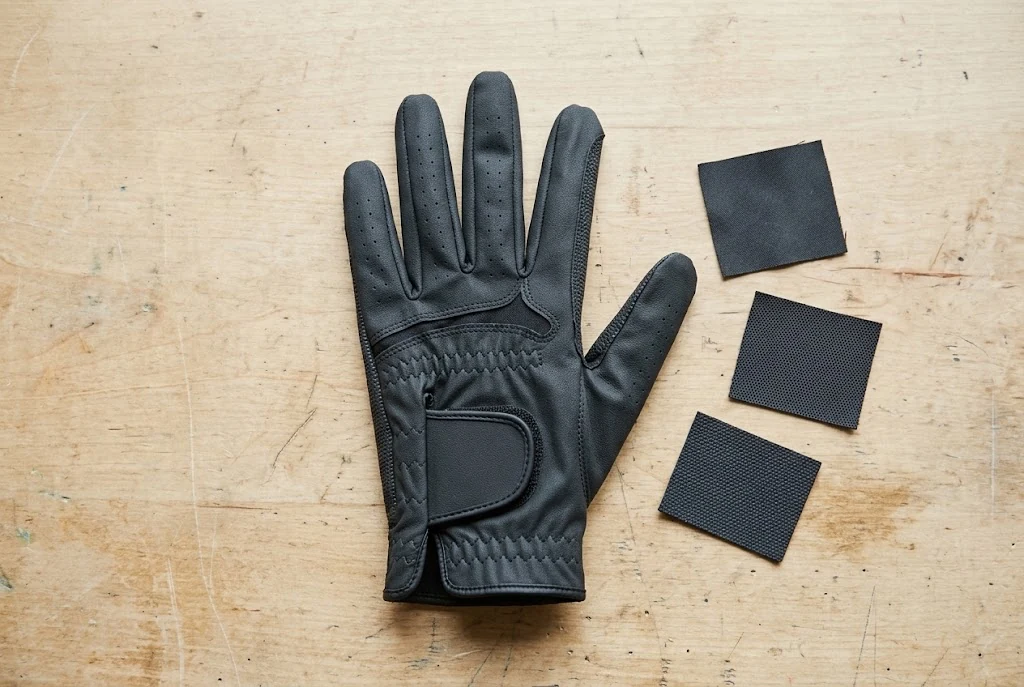
When a golf glove concept exceeds your target budget, begin by ranking the features your customer should notice and the requirements that must be preserved. Ask for clearly defined alternatives to the design, materials, decoration or presentation. Compare them against the same quantity and delivery assumptions, then sample the option you intend to approve.
Make the budget mean one thing
Explain what your target includes: the glove alone, the glove with retail presentation, or the complete order delivered to a particular destination. State the currency and proposed individual-glove quantities. A factory cannot use a landed budget as though it were entirely available for manufacturing.
Texpak asks about project budget and target audience to help align the specification. Sharing a budget is most useful when accompanied by the product’s role: for example, a soft leather-led range, a distinctive printed design or an accessible first collection.
Our manufacturing-cost guide explains the underlying price drivers. Here the question is how to choose between revisions after a design and target budget have been discussed.
Separate essential features from preferences
Write three short lists: requirements to preserve, preferences you would like to keep and details you are willing to change. Give a reason for each. “The golfer should notice the palm feel first” is more useful than marking every visible feature as essential.
Requirements can include an approved fit reference, accurate material description, workable construction and agreed quality checks. Preferences may include the number of contrasting colours or a particular presentation format. The distinction belongs to your brand; the manufacturer can then explain the practical consequences.
Do not promise that a smaller or simpler feature has no effect until it has been reviewed. Texpak’s anonymous concept-to-manufacture example shows why attractive images can contain impractical panel and printing choices.
Compare alternatives in a decision table
Use one row per proposed change. Keep the original reference visible and describe the alternative precisely.
| Area to review | Question for the manufacturer | What the brand must assess |
|---|---|---|
| Material and panel construction | Which identified alternatives fit the intended use and budget? | Feel, fit, construction and the agreed evidence. |
| Colours and decoration | Can a simpler confirmed layout meet the visual brief? | Brand identity and the appearance of the finished sample. |
| Trims and closure details | Which available alternatives are suitable? | Comfort, usability and design consistency. |
| Retail presentation | Can the same information be presented in a different format? | Protection, readability and packed dimensions. |
| Range complexity | What changes if the first launch uses fewer designs or colours? | Customer choice, stock planning and production requirements. |
Do not write “cheaper material” as the full alternative. Name the option and what needs to be approved so the quotation and sample refer to a real proposal.
Protect strength verification and fit
Reducing thickness without evaluating the leather is a poor shortcut. In Texpak’s manufacturing experience, suitable stronger leather can support a thin feel, but thickness alone does not establish strength or finished-glove durability. Material selection and the relevant checks still matter.
Ask separately about tensile strength and tear strength; they are different properties. Texpak checks both in its leather work, but a project requiring particular methods or acceptance criteria needs those agreed explicitly. The quality-control guide explains how to frame the questions without inventing a result.
A less expensive proposal also needs physical fit review. Keep the intended pattern, size range and fit reference clear so an apparent saving does not hide an unapproved change to the product your customer will wear.
Consider complexity before assuming quantity solves everything
A fictional startup may prefer one well-developed core design to several contrasting concepts with unresolved details. That is a range decision, not proof that one particular order will cost less. Ask for quotations against the alternatives you would actually be willing to launch.
Texpak’s general MOQ is 250 individual gloves per design and colour, with smaller orders assessed case by case. Do not assume several colourways can automatically share one minimum. Use the MOQ guide when discussing the proposed range.
Review packaging without cramming cartons to chase a freight saving. The team advises leaving enough space to protect retail presentation on arrival. A simpler package may deserve consideration, but its protection, appearance and shipping implications need a real review.
Approve the revised product, then update the quote
For each shortlisted option, record the new specification, revised quotation, sample required and unresolved questions. Compare the same quantities, presentation and delivery scope. If several variables change, make those differences visible rather than attributing the entire saving to one material.
Sample making, revisions and prototyping are free at Texpak; the customer pays shipping. Use that development stage to decide whether the revised glove still serves the customer brief. Approval should point to the exact version, not to a general instruction to “keep it within budget.”
Send Texpak your concept, target audience and budget basis, identifying the features you most want to preserve. A ranked brief gives the team a practical starting point for recommendations and gives your brand a clear way to evaluate the result.