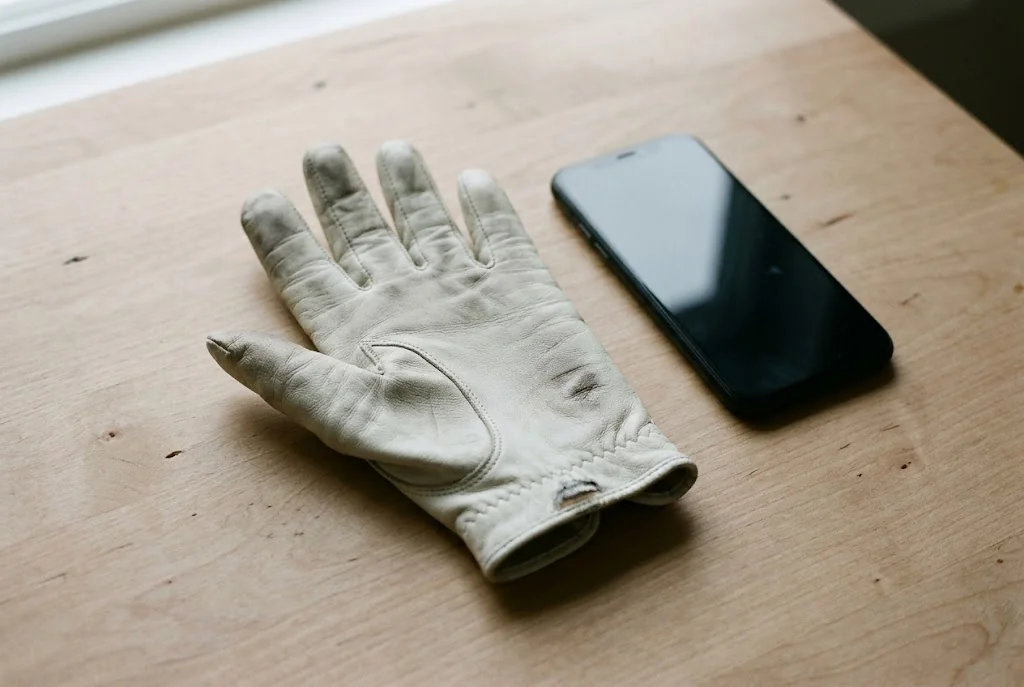
Before designing a golf glove, ask potential customers about the gloves they actually buy and use. Explore fit, conditions, purchase decisions and unresolved frustrations, then turn recurring observations into questions for sampling. Friendly enthusiasm for a mock-up is not the same as evidence that people will buy it.
Start with a decision you need to make
A first conversation should serve the product brief. Perhaps you need to understand whether your audience values a particular feel, struggles to find an appropriate cut or buys mainly through a pro shop. Write that uncertainty down before preparing interview questions.
Choose people who resemble the customers you intend to serve. A group of friends who enjoy your brand idea can offer useful reactions, but it is a limited basis for a wider decision. Keep the context visible: how often they play, the situations they describe and the products they have actually used.
The GOV.UK guide to in-depth interviews recommends neutral, open questions and real examples. Those principles translate well to early product conversations. They do not turn a few interviews into a statistically representative market survey.
Ask about the last real purchase or round
Begin with a recent experience rather than a hypothetical ideal glove. Ask the person to explain the situation in their own words, then follow up on details you do not understand. Avoid presenting the design before you have heard what matters to them.
| Starter question | Useful follow-up | What you are trying to understand |
|---|---|---|
| Tell me about the last glove you bought. | Where did you buy it, and what helped you choose? | Actual buying context. |
| How did you decide on the size and wearing hand? | What did you try or check first? | Information and fit barriers. |
| Describe the last time you used it. | What conditions or practical details stood out? | Use context rather than an imagined preference. |
| Was there anything you wanted to be different? | Can you show or explain the specific area? | A problem precise enough to investigate. |
| What happened when you next needed a glove? | Did you choose the same one? Why? | Replacement and repeat-choice context. |
“Would you love a softer premium glove?” suggests an answer. “What made you keep or replace that glove?” leaves more room for an account you did not anticipate. Do not argue when an answer challenges the concept.
Separate what you heard from what you inferred
Keep a simple private record: participant context, the event described, a short observation, your interpretation and the question it raises. Ask permission before recording a conversation and explain how the information will be used. Collect only what you need; a manufacturer does not need your participants' names or contact details.
For a fictional example, a golfer says they tried two sizes because one had spare fingertip material while the other felt narrow. The observation concerns proportions. The hypothesis may be that a different cut deserves investigation. It is not evidence that everyone in that market needs a smaller glove.
Our fit-range manufacturing guide explains why a size letter alone is incomplete. Let the conversation lead to a clearer requirement rather than an invented size chart.
Turn patterns into development questions
Look for repeated observations, but preserve exceptions. Several people using the same phrase may still mean different things. “More durable” could refer to a worn palm, a damaged seam or frustration that their preferred size is rarely available. Ask what happened before choosing a solution.
Use a short insight-to-brief chain: observed situation, customer need, proposed product response and how the response will be assessed. A soft-feel priority could lead to physical material comparisons. A fit problem could lead to a reference glove and an identified pattern question. Neither requires a performance claim at this stage.
Texpak asks about audience and project budget when discussing a new collection. The tech-pack and sampling checklist helps convert that direction into details a manufacturing team can evaluate. You can begin the conversation with unresolved questions clearly marked.
Use prototypes for the questions interviews cannot settle
A conversation can reveal priorities. It cannot establish the feel of a glove that has not been made, validate a seam or prove a future purchase. Once physical samples exist, use a separate wear-trial plan and record what people actually assess.
Keep the research conclusions proportionate. “We heard a recurring concern in these interviews” is more accurate than claiming a market-wide demand. If you later collect post-sale issues, the defect-report guide serves a different stage of the product's life.
Bring Texpak your intended customer, strongest observations and open design questions. That gives sample development a clearer purpose than a visual concept accompanied only by the hope that golfers will like it.