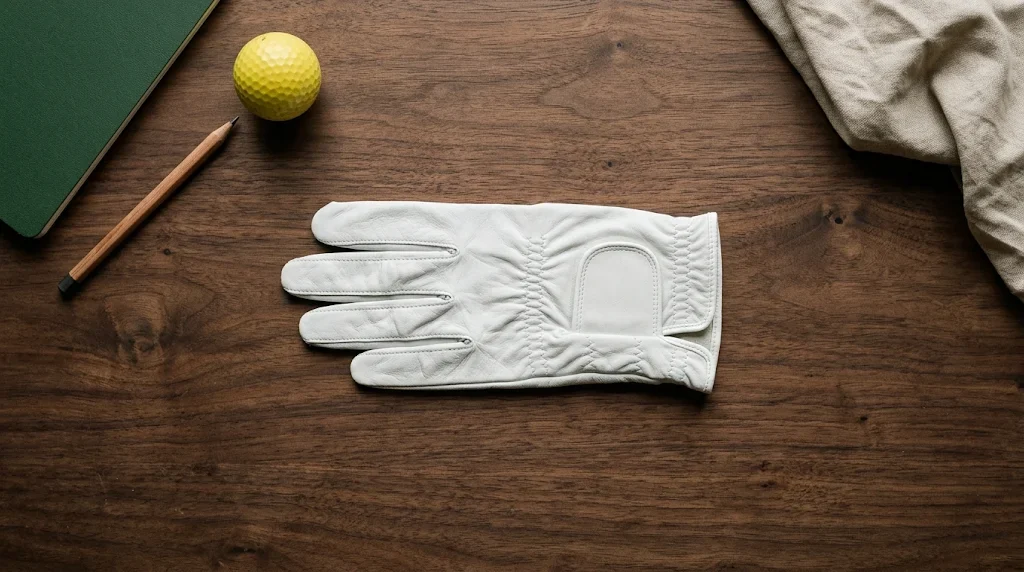
A glove pilot for a Norwegian Veien til Golf course should distinguish the learner’s early interest from a confirmed fit and order. Give staff a simple way to collect both without committing the whole assortment at registration.
Choose a practical fitting stage
Norges Golfforbund introduces Veien til Golf through e-learning and provides guidance for the club’s practical beginner programme. A golf glove supplier can use those stages to decide when physical product feedback is possible. A person can sign up online before having the chance to put on a glove or hold a grip with it. Norges Golfforbund’s Veien til Golf information and club guidance.
Ask the course leader which practical session can accommodate a brief try-on. Agree who keeps sample units, which sizes will be available to inspect and which requests should be recorded for later supply. Include any retail offer separately from course instructions.
Design a fair comparison for first-time users
Choose two sample references only if they answer a useful question. A comparison between a different palm feel and a different size at the same time leaves the buyer unsure what changed the learner’s preference. If the first uncertainty is fit, compare available cuts or sizes in a consistent construction.
A fictional buyer may see participants select a medium glove online, but find that some prefer a different finger length when they try it. Record the original preference and the physical result as separate fields. That helps the buyer improve the order without labelling the first choice as a product defect.
Put the next step in the right place
Make one person responsible for completing the transaction, whether that is a purchase at the shop or a pre-agreed issue through the programme. Tell participants who can answer product questions. The academy programme guide provides a useful starting point for controlling issue and replacement stock.
Set a review date before the pilot starts. After the practical sessions, check which samples were used, which selections were confirmed and where the available sizes failed to meet a request. Use that evidence to narrow the next sample brief. A cohort’s count alone cannot show whether a particular construction or fit worked.
Prepare the first manufacturing request
Give the manufacturer an intended audience, model, material direction, logo permissions, measured fit questions and a proposed order breakdown. Keep the reference sample and correct wearable-hand labels together. The tech pack checklist sets out the useful approval fields.
Give the course team three points at which it can record progress. The online stage can record an expression of interest. A practical session can confirm a model, size and wearing hand after the glove is tried. A completed purchase or agreed issue can be recorded only when the operator knows the result. Use the second and third points to plan stock. For a new construction, ask the coach to send a short observation on what the group could actually fit and identify, with the sample reference included.
Discuss a Norway glove pilot with Texpak once the club can describe where the fitting happens and how the findings will become a manufacturing decision.
Related guide for Norway · Private Label Golf Gloves for Norwegian Simulators
Explore Texpak’s private-label golf glove manufacturing for materials, sampling and production options.