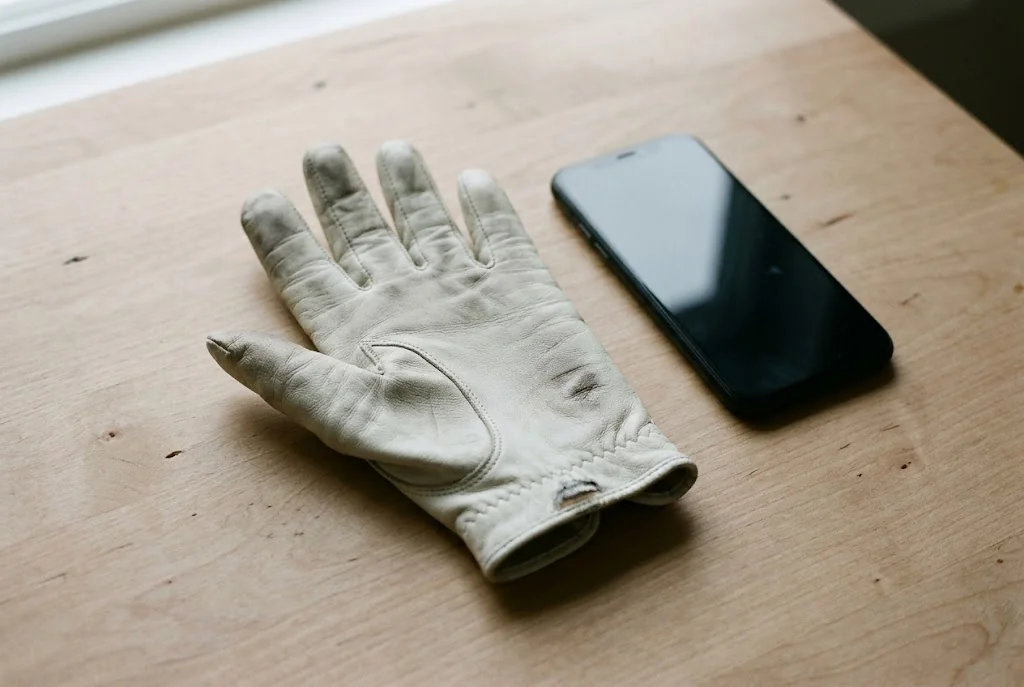
A French golf brand selling online should distinguish a confusing size choice from a physical fit problem. Give customers a clear way to choose the wearing hand, then use the actual exchange reasons to decide which information or sample to improve.
Plan for buyers who may choose the glove without a club fitting
In its 2025 licence statistics, ffgolf reported that 39 percent of its licensees were independent players. This describes a category of licensed golfers, so it does not establish how those players buy gloves. A brand targeting customers without an in-person fitting should make the product information and feedback route particularly clear. ffgolf licence statistics for 2025.
Show the actual wearing hand, fit range and size reference for each variant. Explain how to take the relevant measurements and which sample the chart describes. If the range includes several cuts, show the differences a customer can assess. Ask a French-speaking product reviewer to check that the label, listing and exchange form use the same terms.
Distinguish selection errors from repeated construction concerns
For each exchange, record the original model and variant, the customer’s stated issue, the replacement selected and whether the exchange resolved it. Separate wrong worn hand, mistaken size selection, unused finger length, palm restriction and other observations. An exchange for a different colour does not belong in the fit count.
Consider a fictional seller with six exchanges for one glove. Four customers chose the wrong wearing hand, and two reported the same thumb-area issue despite selecting the intended size. Clarify the selector and product label first, then retain the two thumb observations for review. That split is more informative than a single return count.
Use the evidence to decide what should change
Check whether the repeated concern is tied to a size, material or sample revision. If a factory revision is appropriate, provide the approved reference, marked photographs and the specific fit question. Ask which other variants may need to be assessed after the change. Texpak can discuss adjustments to a base pattern and arrange revised physical samples.
Give the customer service team the current size chart and the previous version for any old stock still on sale. If a customer quotes an earlier size name, staff can check the product reference before recommending an exchange. This also helps the buyer avoid attributing older-product feedback to a new manufacturing sample.
Keep the listing update and the production change on separate lines in the project record. While an earlier version remains on sale, the customer should still see the information for the glove they will receive. The product-page checklist and sample revision guide support the two decisions. Bring the anonymised feedback and intended order range to Texpak if the issue needs manufacturing work.
Related guide for France · Custom Gloves for French Company Golf Associations