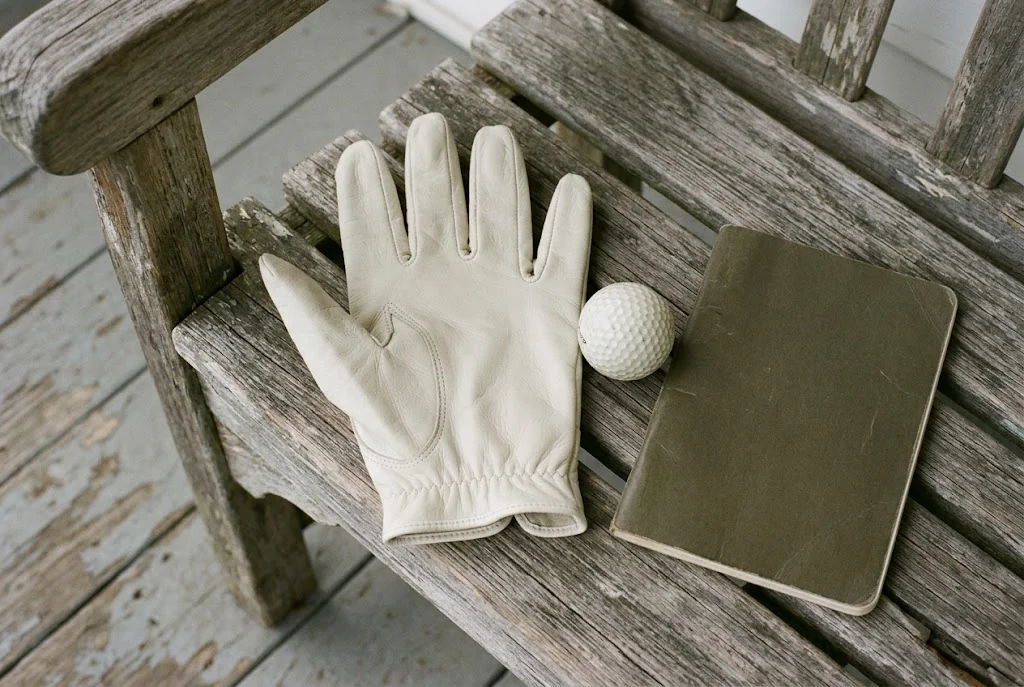
A glove for an Austrian mountain collection should be assessed in the conditions the buyer actually expects it to serve. Set up separate dry and damp observations, keep fit and construction identifiable, and check whether a material change solves the problem you recorded.
Choose two playing situations before choosing a material
Tirol tourism describes golf across varied Alpine landscapes and notes that some local seasons can start early and extend into autumn. That supports a buyer question about the range of conditions in which the glove will be used. Pick the actual sessions you want to compare with your reviewers. Tirol’s 2026 golf overview.
Write a short brief for each session. One could be a dry afternoon with the golfer’s normal grip. Another could be a damp round where the reviewer records the glove’s condition and whether they switch to a spare. Keep warmth, grip feel and drying experience in separate fields. A cooler morning and a wet palm can lead to different material questions.
Keep the comparison narrow enough to interpret
In a fictional trial, a buyer compares an approved-pattern Cabretta prototype and a synthetic alternative. Two suitable reviewers try both in the correct size and wearing hand. Record any differences in closure, thickness and panel placement before the trial. If a sample is tighter across the fingers, its feedback needs to be read alongside the fit issue.
Ask the wearer to note the moment they noticed a difference. “The thumb seam became distracting during the damp session” gives a development team a location and context. Repeat an observation before making it the basis for a new panel choice. Our wear-trial plan provides a fuller log.
Turn observations into a sample revision
If both candidates fit well and the dry session favours the leather feel, decide whether the damp-session feedback warrants another construction for this particular range. A second version adds separate approval and stock decisions. It may be more useful to improve one glove and give staff accurate product information than to order a material for every possible forecast.
Give the reviewers a defined stopping point for each session and ask them to keep each sample identifiable afterwards. If one person wears the leather version through a full round and the synthetic version for three holes, retain the observation and mark the difference in exposure. A later matched comparison can focus on the most useful question.
Send the candidate material references, marked photographs and a short account of the intended Alpine range through the private-label inquiry. Texpak works with Cabretta, synthetic leather and synthetic suede. A sample brief should describe the feel and construction to explore. Keep any public performance statement within the evidence available for the finished design.
Related guide for Austria · Golf Glove Stock Transfers for Austrian Golf Hotels
Explore Texpak’s private-label golf glove manufacturing for materials, sampling and production options.